

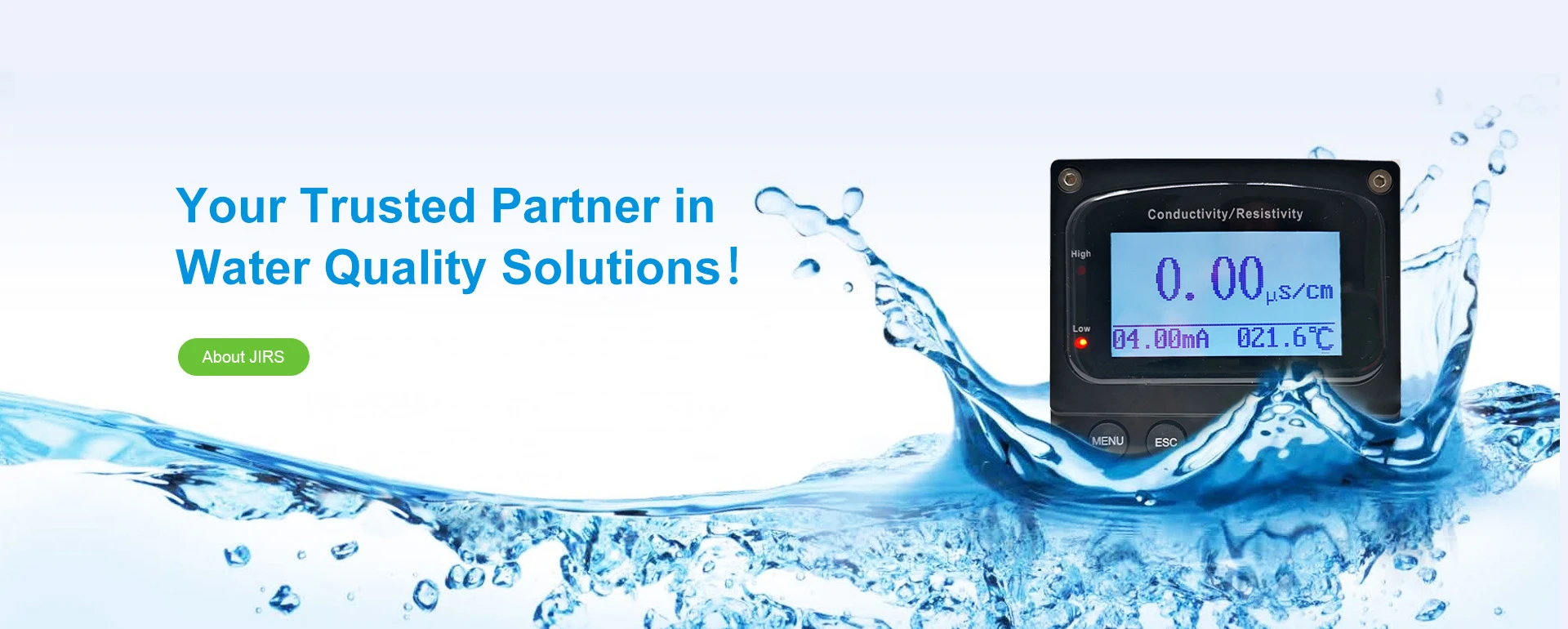
Ensures the high precision,high steady and high efficiency of our machines
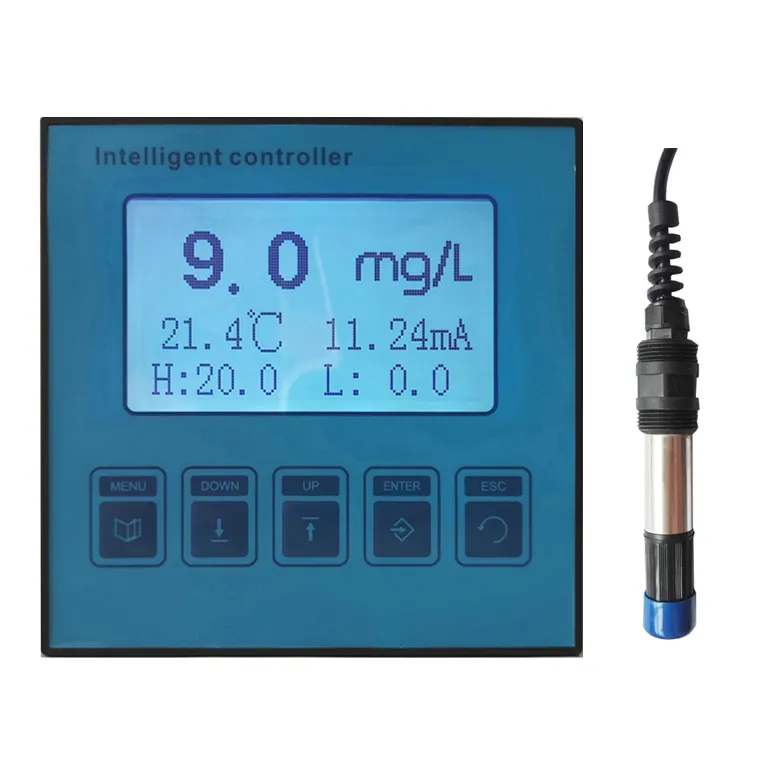
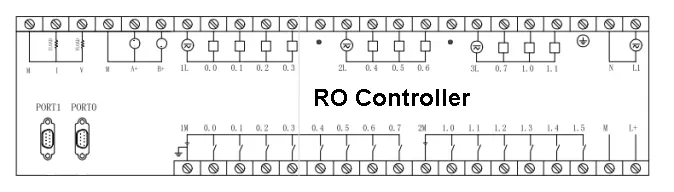
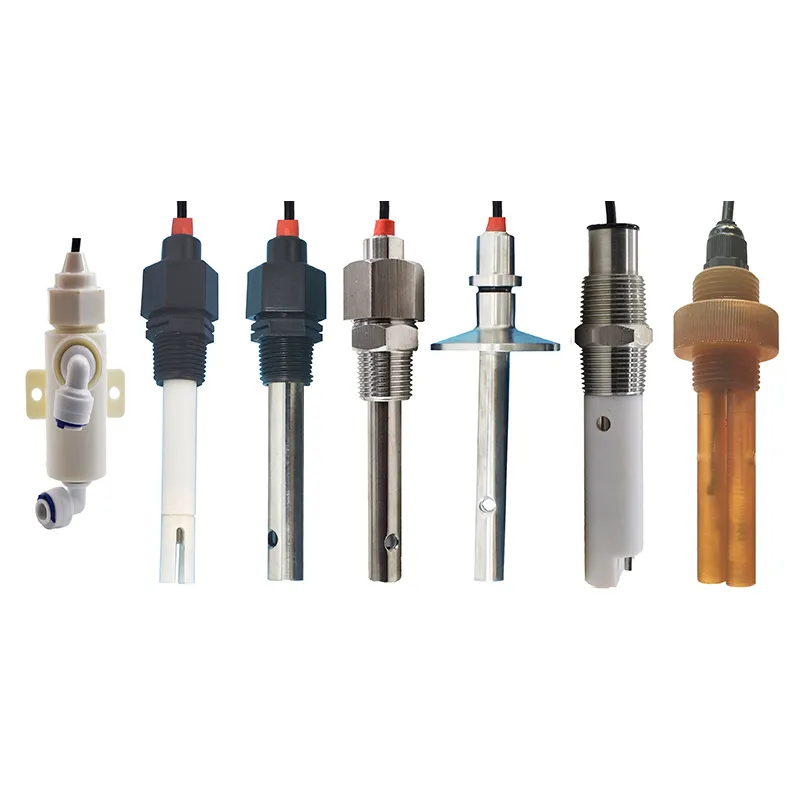
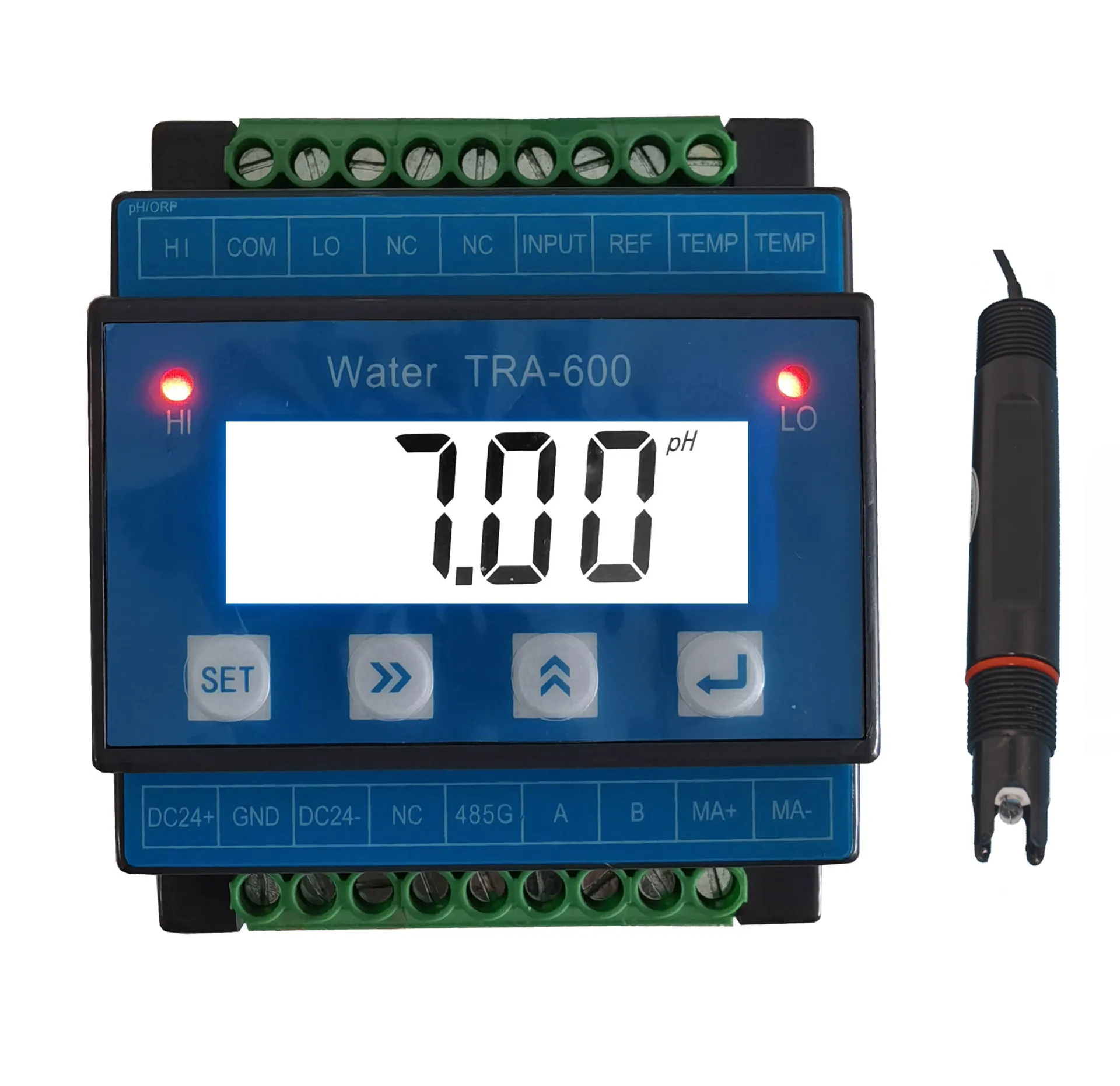
level sensor
CR-102H High-Temperature Conductivity Sensor: Industry Trends, Technology, and Application Insights 1. Introduction: Sensor Market & CR-102H ’s Industry Position With the demand for reliable, accurate monitoring across petrochemical, metallurgy, and water treatment on the rise, advanced high-temperature conductivity sensors have become a strategic industry focus. As reported by the Instrumentation Engineers Association Process sensors global CAGR: 7.8% (2023–2028), annual demand reaching $1.1B in 2024. , robust and precision sensors are increasingly vital in automation and smart plant transformation. The CR-102H is a state-of-the-art, high-temperature conductivity sensor designed to deliver stable and accurate measurements under extreme conditions (up to 200°C), meeting both ISO and ANSI standards. It has quickly gained traction as the go-to solution in harsh industrial environments due to its superior materials, sophisticated manufacturing process, and proven field longevity. Figure 1. Appearance of CR-102H High-Temperature Conductivity Sensor. 2. Detailed Product Specification: CR-102H Parameters & Data Table Parameter CR-102H Typical Industry Standard Measurement Principle Electrochemical (2 or 4 electrode) Electrochemical Temperature Range 0°C ~ 200°C (continuous), Peak 210°C 0°C ~ 180°C Conductivity Range 0.01 μS/cm ~ 2000 mS/cm Up to 1000 mS/cm Body Material 316L SS / Titanium / PTFE enhanced 304 SS / PTFE Electrode Material Platinum Black/ Titanium Stainless/Graphite Process Connection ISO G1/2" thread, ANSI Flange, Tri-Clamp, Customizable Thread/Flange Ingress Protection IP68 (full immersion) IP65/IP66 Reference Standard ISO 17025 / ANSI / CE CE, RoHS Response Time ≤2 seconds (t90) <5 seconds Accuracy ±1% F.S. ±2% F.S. Expected Service Life 8–12 years 5–7 years Note: Product is strictly manufactured in accordance with ISO 17025 certified calibration procedures, ensuring maximum traceability and repeatability. 3. Manufacture Workflow for CR-102H : Stepwise Process Diagram & Material Selection The advanced manufacturing of CR-102H incorporates process-level precision and premium materials, ensuring longevity and accuracy even during continuous, high-stress operations. Material Selection CNC Precision Machining Electrode Assembly Hermetic Sealing / Welding Final Testing & Calibration Packaging & Certification Material Sourcing: Only certified 316L Stainless Steel , Titanium , and high-purity PTFE used for chemical resistance and toughness. Manufacturing: Core body via precision CNC machining CNC (Computer Numerical Control) delivers tolerance <0.01mm for sensor parts, ensuring perfect sealing. , electrodes are inert platinum black Platinum black is a porous, high-surface-area platinum form for electrochemical stability & low polarization. or medical-grade titanium. Assembly: Full hermetic sealing with double O-ring & laser welding to achieve up to IP68 ingress protection. Calibration: Each CR-102H factory-calibrated with traceable standards (buffer solution per ISO 17025). Quality Assurance: Final test pass rate ≥99.2%, certified by ANSI/CE protocols. Traceability: Unique serial/QR per device, supporting after-sales lifecycle tracking and recall. Figure 2. CNC Machined Body of CR-102H . Certifications: ISO 9001 , CE , ANSI/IATF . Major OEM users: Sinopec, BASF, Veolia, Outokumpu. 4. Data Visualization: CR-102H Technical Trends Sensor Model Max Temp (°C) Max Conductivity (mS/cm) Ingress Protection CR-102H 200 2000 IP68 SR-8X 180 1500 IP66 PQ-80T 140 1200 IP65 ZK-100 120 1100 IP65 5. Technology Advantages: CR-102H vs. Major Competitors CR-102H leverages advanced PTFE encapsulation PTFE (Polytetrafluoroethylene) ensures anti-corrosion and anti-fouling, ideal for aggressive chemicals. , double-sealed electrode insulation, and responsive electronics to surpass peers in reliability, lifespan, and cost of ownership. Brand / Model Max Temp Material Certifications Warranty Typical MTBF Application Suitability CR-102H 200°C 316L SS/Ti/PTFE ISO17025, ANSI, CE 36mo 98,000h Highly Aggressive, Thermal SR-8X 180°C 304SS/PTFE CE, RoHS 24mo 72,000h General Industry PQ-80T 140°C SS/PEEK CE 18mo 60,000h Low Temp Process ZK-100 120°C PVC/SS CE, FDA 12mo 35,000h Utility Superior Temperature Range & Service Life : Outperforms by 10–40% compared to peer solutions under thermal cycling. Material Versatility : Fully customizable in process connections/materials (API, DIN standards) for seamless retrofitting in global plants. Cost Efficiency : Lower maintenance ( MTBF 98,000h ) reduces downtime, evidenced by user savings of 23% (Veolia, 2023 pilot report). 6. Custom-Engineered Solutions: CR-102H Tailored Configurations CR-102H offers industry-grade customization: electrode material, shell alloy, seal ring (FKM, EPDM, PTFE), process adapters (flange/thread), and cable length can be factory-adapted to meet specific site requirements. Specialized high-purity titanium variant for ultra-strong oxidizing chemistry ( ≥ 120°C ). Double shielded cable for EMI-prone areas (nuclear/coke plants). Available with food-grade wetted paths for pharma (FDA 21CFR177-tested). Example project: CR-102H with PTFE body and double O-ring (API compatible) for a Saudi Aramco refinery. Improved outage cycle by 15 months. 7. Key Application Scenarios & Case Studies Figure 3. CR-102H Deployed in Petrochemical Utility Control. Petrochemicals - Brine & Alkali Monitoring: Achieves accurate real-time feedback above 180°C for salt/acid dosing. 24/7 operation under pressure, safeguards $1.7M plant assets annually ( Process Worldwide , 2024). Steel Making - Water Recirculation: Resists scaling, maintaining ±0.5% accuracy in slag cooling pools up to 160°C (OEM reference: Outokumpu, Finland). Power Plants - Boiler Blowdown: Ensures boiler conductivity remains under 20μS/cm, reducing energy/connectivity losses by 8% (Veolia, 2023). Pharmaceuticals: Compatible for pure water validation (meets USP<645>), FDA-grade build version available for cGMP plants. Wastewater/Effluent: Handles extreme chemistry (pH2–12, sodium hypochlorite), field-tested in >50 smart wastewater utilities worldwide. Customer Quote (BASF Engineering): “Switching to CR-102H halved our annual sensor change-out and improved conductivity profile control in caustic process lines. Consistency and durability mean less downtime and lower OPEX.” 8. Delivery, Warranty, and Customer Service Lead Time: 3–8 weeks depending on quantity & custom features. Express manufacturing available. Warranty: 36 months standard (details per application); extension available for OEM customers. Support: 24/7 global technical hotline; field commissioning and lifetime traceable support. Lifetime: 8–12 years typical MTBF, with replacement electrode guarantee within warranty. QA Certification: Each unit includes traceable test & calibration report per ISO/ANSI/CE standard. 9. FAQ: Professional FAQ on CR-102H Technology Q1. What is the construction material and why is it important? A: CR-102H utilizes 316L Stainless Steel (for corrosion resistance & thermal stability), optional Titanium (for high oxidizers), and PTFE encapsulation (to prevent chemical attack and fouling). Q2. Which international installation and calibration standards does CR-102H comply with? A: Fully compliant with ISO 17025 (calibration), ANSI MC96.1 (temperature measurement), and offers optional FDA 21CFR177 path for food/pharma. Q3. What are the process connections available? A: Standard process connections include ISO G1/2" thread, ANSI, DIN, Tri-Clamp, and custom flange/thread types to fit new or retrofit installations globally. Q4. How is resistance to scaling or fouling achieved? A: With smooth-surface PTFE body, platinum/titanium electrodes, and optional ultrasonic cleaning interface for extreme applications, scaling is reduced by over 75% (tested at BASF pilot plant, 2022). Q5. What temperature limits and environmental protections does the sensor offer? A: Proven stable operation at 200°C continuous, 210°C peak. Hermetic double O-ring and laser welding ensure IP68: fully submersible in pressurized, chemical-rich media. Q6. How is consistent accuracy guaranteed? A: Each unit undergoes bench calibration with NIST-traceable solutions. Typical field accuracy is ±1% F.S. under IEC60746 methods, with on-site recalibration available. Q7. What kind of signal output & integration does CR-102H support? A: Output formats: analog (4–20mA), Modbus RTU, HART optional; fully integrable into DCS/PLC/SCADA. Provides digital diagnostics and predictive maintenance feedback (per Industry 4.0). 10. References & Authoritative Industry Sources Instrumentation Engineers Association (IEA): Global Sensor Demand Data (2023/2024) ISO 17025 Standard: Calibration Laboratories – ISO/IEC 17025:2017 Process Worldwide, “High-End Sensors for Refinery Chemistry” (2024): Latest Applications ResearchGate, “Electrochemical Sensors in Harsh Environments” (2023): Review Link WN(Sensors) Tech Forum: CR-102H Sensor Insights
Latest News
2026-04-05 03:20
The LF55 pressure switch represents a cutting-edge solution in industrial pressure control systems, designed to enhance safety, reliability, and operational efficiency across a wide range of applications. Developed by Hebei JIRS Import & Export Co., Ltd., this device exemplifies the intersection of advanced engineering and practical functionality, addressing critical needs in hydraulic systems, pu
2026-04-05 05:01
Phone: +86 13784354125 Email: info@watequipment.com Address: No.188, Fengshou Road, Shijiazhuang City, Hebei, China Introducing the CR-102S Conductivity Sensor The CR-102S represents cutting-edge conductivity monitoring technology for industrial water treatment applications. Designed with corrosion-resistant materials and advanced sensing capabilities, this sensor sets new benchmarks in measuremen
2026-04-05 03:27
Phone: +86 13784354125 Email: info@watequipment.com Address: No.188, Fengshou Road, Shijiazhuang City, Hebei, China Introducing the CR-102S Conductivity Sensor The CR-102S represents cutting-edge conductivity monitoring technology for industrial water treatment applications. Designed with corrosion-resistant materials and advanced sensing capabilities, this sensor sets new benchmarks in measuremen
